Fiber Cement Siding: 6 Must-Know Facts Before Installation

Fiber cement siding has become an increasingly popular choice for homeowners seeking. durability ,. aesthetic appeal , and. low maintenance . Before installing this versatile material, it’s crucial to understand key facts that can impact the success and longevity of your siding project. From its composition and weather resistance to installation techniques and cost considerations, knowing these essential details will help you make informed decisions and avoid common pitfalls. Whether you’re a DIY enthusiast or hiring professionals, understanding fiber cement siding’s benefits and challenges ensures your investment adds value and protection to your home. This introduction highlights six must-know facts that will prepare you for a smooth installation process and lasting results.
Key Facts to Know:.
- Composition: Fiber cement siding is made from a blend of cement, sand, and cellulose fibers, which provides strength and durability.
- Weather Resistance: It withstands harsh weather conditions including moisture, wind, and fire, making it suitable for various climates.
- Installation Techniques: Proper installation is essential to prevent moisture intrusion and ensure longevity; this often requires professional expertise.
- Cost Considerations: While the upfront cost may be higher than some alternatives, its long-term durability offers cost savings over time.
- Maintenance: Requires minimal upkeep compared to wood siding but still benefits from periodic cleaning and inspections.
- Aesthetic Options: Available in a wide range of styles and finishes, allowing customization to match your home’s design.
By understanding these facts, you can ensure your fiber cement siding project is successful and provides lasting protection and beauty for your home.
Essential Facts Before Installation
Installation Requirements and Preparation
Before starting any installation, thorough preparation is key to a smooth and successful process. This begins with gathering all necessary tools, equipment, and materials as specified by the manufacturer or project plan. It’s important to verify that the installation site complies with environmental and structural requirements, such as:.
- Adequate space
- Proper ventilation
- Stable surfaces
- Access to power sources if needed
Reviewing technical specifications, installation manuals, and any regulatory codes ensures that the team is fully informed of what the installation entails. Additionally, scheduling and coordinating with other stakeholders—such as contractors, inspectors, or facility managers—can prevent delays and confusion during installation. Taking the time to double-check these factors reduces the risk of errors, rework, or damage to the equipment or site.
Common Installation Challenges
Installation projects often face unexpected challenges that can complicate the process. Some common issues include:.
- Incompatible or missing components: Can halt progress until replacements or adjustments are made.
- Unforeseen site conditions: Such as uneven floors, hidden wiring, or limited access points requiring on-the-spot problem solving.
- Incomplete or unclear instructions: Leading to misinterpretation and incorrect assembly.
- Weather conditions and safety hazards: Potentially disrupting timelines.
To mitigate these challenges, consider the following strategies:.
- Conduct a detailed pre-installation site survey.
- Ensure clear communication among all parties involved.
- Maintain a flexible approach.
- Have backup plans and additional resources ready to address problems swiftly.
Safety Considerations During Installation
Prioritizing safety during installation is essential to protect everyone involved and maintain project integrity. Key safety practices include:.
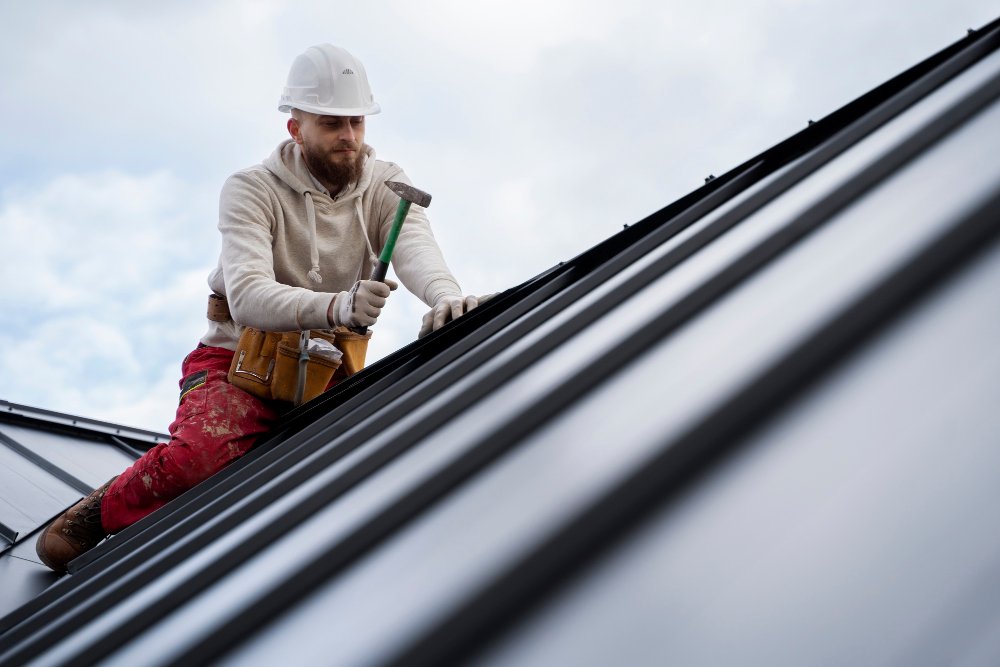
- Equipping personnel with appropriate personal protective equipment (PPE):
- Gloves
- Safety glasses
- Hard hats
- Steel-toed boots.
- Adhering to established safety protocols, such as lockout/tagout procedures for electrical equipment or machinery.
- Training installers on specific hazards, including:
- Working at heights
- Handling heavy materials
- Exposure to hazardous substances.
- Keeping the workspace organized and free from obstructions to prevent trips and falls.
- Properly disposing of waste materials, securing loose components, and clearly marking hazardous zones.
- Conducting regular safety briefings and inspections throughout the installation process.
A strong safety culture not only prevents accidents but also supports efficient and uninterrupted progress.
Conclusion
Fiber cement siding is a. durable And. versatile Option that offers numerous benefits for homeowners. Before installation, it’s important to understand key facts such as:.
- Resistance to fire and pests
- Need for proper handling due to dust
- Maintenance requirements
- Importance of professional installation for best results
By keeping these considerations in mind, you can ensure a successful installation that enhances your home’s curb appeal and protects it for years to come.