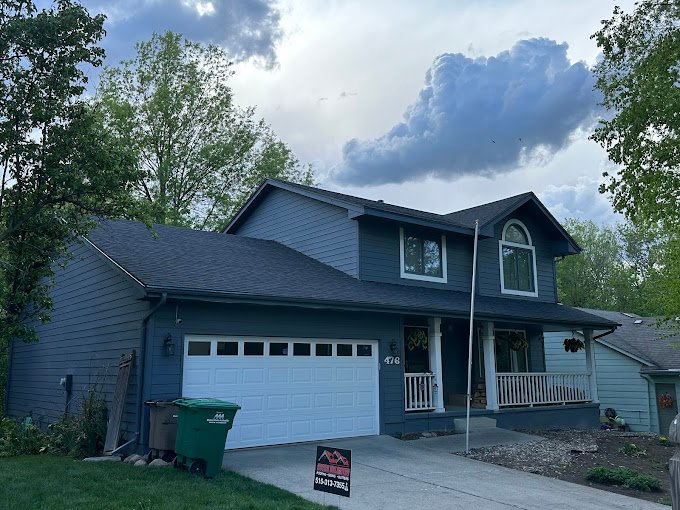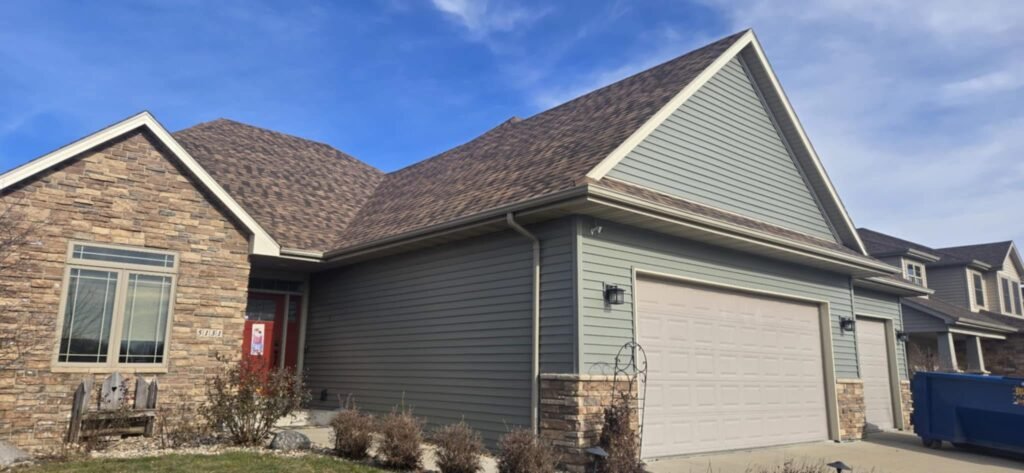
The word “contractor” matters. A contractor is responsible for the entire project, not just the labor. That means sourcing materials, scheduling crews, pulling permits where required, coordinating any subcontractors, and delivering a finished roof that meets code and the manufacturer’s installation specifications. When you work with a trusted roofing contractor in Des Moines, you are hiring someone accountable for the whole outcome.
In Iowa specifically, roofing falls under the broad legal definition of construction. According to the Iowa Department of Inspections, Appeals, and Licensing, any business performing construction work earning at least $2,000 a year must register with the state, and the definition of construction explicitly includes roofers. That registration is the baseline credential homeowners should confirm before signing anything.
What Core Services Does a Roofing Contractor Provide?
A full-service roofing contractor handles much more than a single repair. The scope typically spans the entire exterior envelope that protects your home from water and weather.
- Roof inspections to assess age, damage, and remaining service life
- Roof repairs for leaks, missing shingles, damaged flashing, and storm damage
- Complete roof replacement, including tear-off of the old roof
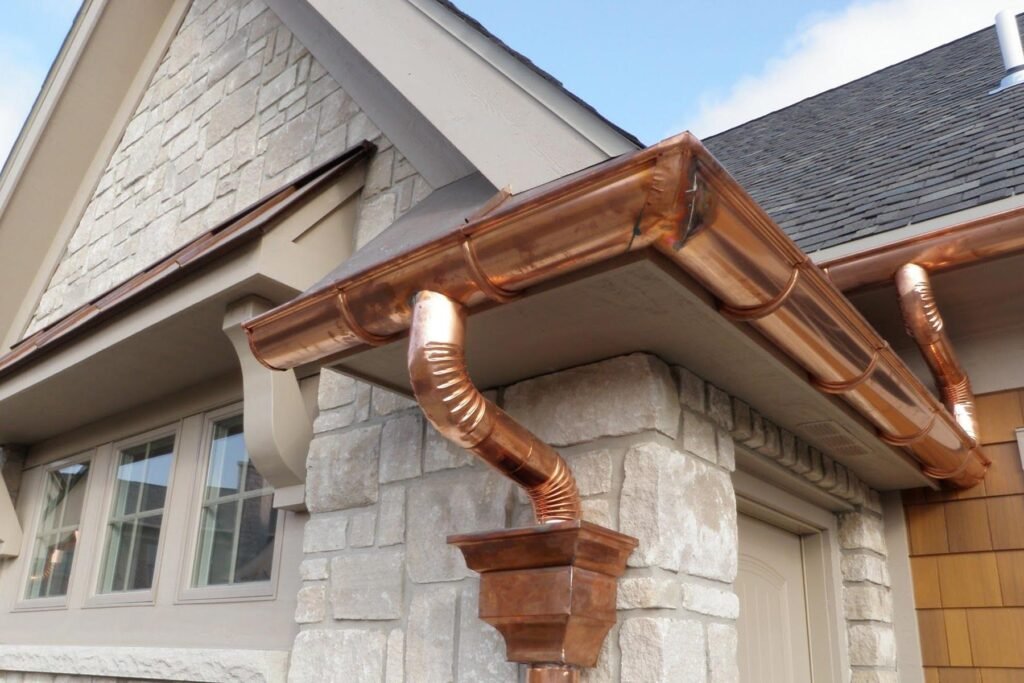
- Gutter installation and repair to move water away from the foundation
- Siding installation to protect and refresh exterior walls
- Soffit and fascia work tied to ventilation and roof-edge protection
- Emergency tarping and storm-damage response
Hutch Unlimited Roofing, for example, provides roof repair and replacement, gutter installation across Central Iowa, and siding installation under one roof. Bundling these services with one accountable contractor avoids the finger-pointing that happens when separate trades blame each other for a leak.
Residential vs. commercial roofing
Many contractors handle both residential and commercial work, but the systems differ. Homes usually use sloped, shingle-based roofs; commercial buildings often use flat or low-slope membranes. A contractor offering residential and commercial roof repair in Grimes can serve both, but always confirm they have direct experience with your specific roof type.
Beyond the visible work, a professional roofing contractor coordinates the parts of a roof most homeowners never see. Underlayment, drip edge, ice-and-water shield, and proper flashing all sit beneath the shingles, and a mistake in any of them causes leaks that surface months later. This hidden layer is exactly why hiring a qualified contractor matters more than the shingle brand on top.
How Does the Roofing Process Work Step by Step?
A professional roofing contractor follows a predictable sequence. Knowing it helps you spot a contractor who is cutting corners.
- Initial consultation — the contractor discusses your concerns, budget, and goals.
- Roof inspection — a detailed assessment of the deck, shingles, flashing, and ventilation.
- Written estimate — a line-item scope so you know exactly what you are paying for.
- Material selection — choosing shingles, underlayment, and accessories.
- Preparation — protecting landscaping, setting up debris containment, and tear-off.
- Installation — laying underlayment, flashing, shingles, and ridge venting to spec.
- Cleanup and final inspection — magnetic nail sweep, debris removal, and a walkthrough.
According to Angi, homeowners should speak with at least three local roofers and request a written scope before signing, because a clear line-item estimate is one of the strongest signals of a trustworthy contractor.
A reputable contractor also pulls any required permits and schedules inspections. Skipping permits might shave a little time, but it can create problems when you sell your home or file an insurance claim. The contractor handling this paperwork is part of what you are paying for.
Roofing Contractor vs. Handyman vs. Roofing Company
These terms get used loosely, but the differences affect your protection and your warranty.
| Provider | Best for | Key limitation |
|---|---|---|
| Handyman | Tiny patches, a single shingle | Rarely carries roofing-specific insurance or manufacturer certification |
| Roofing contractor | Repairs, replacement, full systems | Should be verifiable, accountable, and warranty-backed |
| Roofing company | Full-scale projects with crews | Look for local ownership and a verifiable track record |
The safest choice for anything beyond a trivial fix is an established, accountable roofing contractor or company. A handyman patch can void a manufacturer warranty if the installation does not follow specification.
What Should You Verify Before Hiring a Roofing Contractor?
Trust is built on verification, not promises. Before you let anyone on your roof, confirm the essentials.
- State registration — verify the contractor through Iowa’s registered contractor database.
- Liability insurance and workers’ compensation — ask for current certificates.
- Local address and reputation — avoid P.O. Box-only contractors and out-of-town storm chasers.
- Written warranty — both workmanship and manufacturer material coverage.
- References and recent local jobs — proof of work in your area.
| Definition — Storm chaserAn out-of-area contractor who appears door-to-door after a hailstorm, often pressuring quick contracts and disappearing before warranty claims arise. Local roofing contractors are the safer alternative. |
You can learn more about the team’s local credentials on the About Hutch Unlimited Roofing page, which is exactly the kind of transparency a reputable roofing contractor should offer.
According to the National Roofing Contractors Association, homeowners should check whether a contractor belongs to a recognized roofing industry association and confirm they have a permanent address, tax identification number, and the proper business credentials. You can also check the Better Business Bureau profile for any complaint history before you commit.
What Does Hiring a Roofing Contractor Cost in 2026?
Cost depends on roof size, material, pitch, and the extent of any tear-off. According to Angi’s 2026 data, roof replacement typically runs $4 to $11 per square foot, and most U.S. homeowners spend somewhere in the four-to-five-figure range for a standard asphalt shingle roof.
Repairs cost far less than replacement, which is why early inspection pays off. Many contractors, including Hutch Unlimited, offer financing options to spread the cost of larger projects, and a free instant roof estimate helps you budget before committing.
For larger projects, ask whether the contractor offers a written maintenance plan after installation. Ongoing care through residential roof repair and maintenance helps protect both the roof and its warranty over time.
How Does a Roofing Contractor Protect Your Manufacturer Warranty?
Shingle manufacturers back their products with warranties, but those warranties depend on correct installation. A roofing contractor who follows the manufacturer’s specifications to the letter keeps that coverage intact, while a sloppy install can void it entirely.
- Following nailing patterns and exposure specs exactly as the manufacturer requires
- Installing the correct underlayment and ventilation the warranty depends on
- Using compatible accessories from the same product system
- Registering the warranty with the manufacturer on your behalf
- Documenting the installation so claims are straightforward later
This is one more reason a quick handyman patch is risky. An unqualified repair on a warrantied roof can jeopardize thousands of dollars of coverage. A professional contractor protects both the roof and the paperwork behind it, which is why the full roofing services approach of a single accountable team pays off over the life of the roof.
Ready to Talk to a Roofing Contractor You Can Trust?
| If you want a clear inspection, an honest line-item estimate, and a roof that is installed to last, Hutch Unlimited Roofing serves Des Moines, Grimes, Waukee, Ankeny, and all of Central Iowa. You get local accountability, quality workmanship, and financing options when you need them. Reach out today for a free, no-pressure assessment of your roof.→ Get Your Free EstimateCall 515-313-7355 | 2407 NE 12th St, Grimes IA 50111 |
Frequently Asked Questions
Do roofing contractors need a license in Iowa?
Iowa has no statewide roofing license, but contractors earning $2,000 or more a year must register with the Iowa Division of Labor for a $50 fee. Some cities add local permit rules, so always confirm both state registration and any local requirements.
How long does a roof replacement take?
Most residential asphalt shingle replacements take one to three days, depending on roof size, weather, and complexity. Tear-off, dry-in, and installation usually happen within the same project window when the crew is properly staffed.
What is the difference between a roofer and a roofing contractor?
A roofer typically performs labor, while a roofing contractor manages the entire project, including materials, permits, crew scheduling, and warranties. The contractor is the accountable party who stands behind the finished roof system.
Should I hire a local roofing contractor?
Yes. Local roofing contractors rely on community reputation, are easier to reach for warranty claims, and are far safer than out-of-town storm chasers who may disappear after collecting payment.
Can a roofing contractor handle gutters and siding too?
Many full-service contractors do. Hutch Unlimited Roofing, for example, handles roofing, gutters, and siding, so a single accountable team manages your whole exterior envelope rather than coordinating multiple trades.
How often should a roof be inspected?
Most professionals recommend a roof inspection at least once a year and after any major storm. Early detection of small issues like cracked flashing or lifted shingles prevents costly water damage later.
Conclusion
A roofing contractor is the professional who owns the entire roof project, from the first inspection to the final cleanup and warranty. Hiring a reputable local roofing contractor protects your biggest investment and keeps small problems from becoming expensive ones. Whether you need a minor repair or a full replacement, the right contractor brings the registration, materials, and accountability that a quick patch can never match.